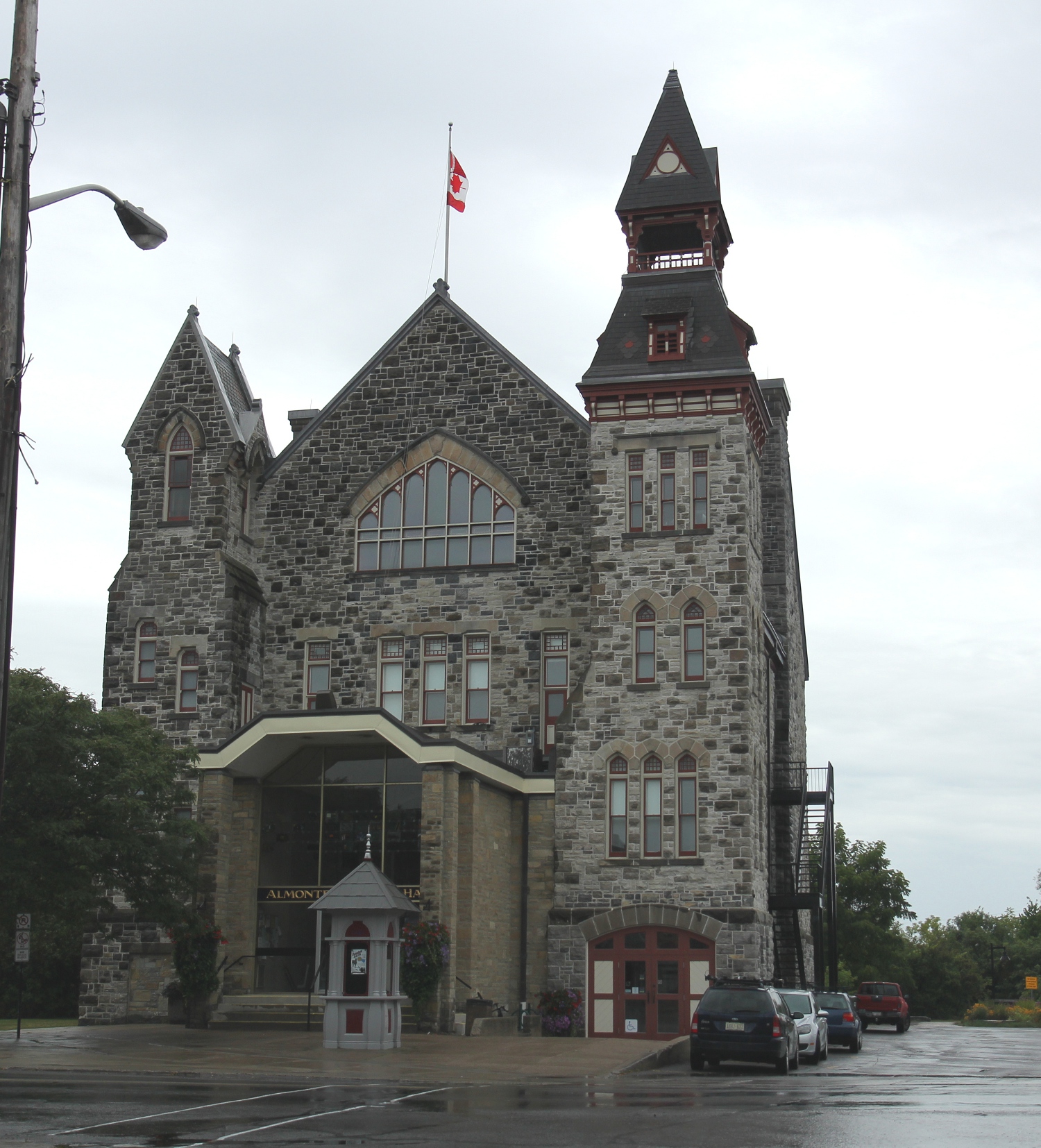
In a municipality of 4,000 people, the gap between a council decision and its visible consequences on the ground is measured in months, not years. A road-grading contract awarded in March shows up as a passable gravel road by June. A zoning amendment approved at a Tuesday evening meeting can block or enable a subdivision that affects traffic on a rural road for the next two decades.
This proximity between decision and effect is one of the defining features of small-town civic governance in Canada — and one of the reasons it deserves closer attention than it typically gets.
The Structure of Rural Municipal Government
Canada's municipal structure varies by province, but in Ontario — which contains the largest concentration of small incorporated municipalities — the basic unit is the single-tier municipality or the lower-tier municipality within a county or regional government. Most rural Ontario towns operate as lower-tier municipalities, meaning they share certain responsibilities with a county or upper-tier authority.
A typical township or small town council in Ontario consists of a mayor and between four and eight councillors, depending on population. All are directly elected. The council meets at minimum twice per month. In many smaller municipalities, the clerk and treasurer are the only full-time administrative staff; everything else — bylaw enforcement, public works supervision, planning — is handled by part-time staff or contracted out.
What Falls Under Local Jurisdiction
The Municipal Act, 2001 (Ontario) grants municipalities broad authority over a defined set of matters. For a rural township, the most frequently exercised powers involve:
- Road construction and maintenance, including seasonal road weight restrictions
- Zoning bylaws and official plan amendments (though the county's official plan sets the broader framework)
- Building permits and property standards enforcement
- Animal control, noise, and other quality-of-life bylaws
- Managing municipally owned property — community halls, cemeteries, gravel pits
- Grant applications for infrastructure under federal and provincial programs
Water and wastewater systems are a frequent point of complexity. Many small municipalities provide no piped water — residents rely on private wells — but those that do operate systems face significant capital costs for upgrades, often with limited assessment base to draw on. The Safe Drinking Water Act, 2002 imposed substantial compliance requirements on small-town systems following the Walkerton inquiry, and the ongoing cost of meeting those requirements shapes what small-town councils can afford to do with the rest of their budgets.
The Practical Reality of Small-Council Decisions
In Lanark County, where several municipalities have populations under 3,000, it is not uncommon for a councillor to hold a full-time job unrelated to municipal government and attend council meetings two evenings per month. The councillor may also sit on a local planning committee, the arena board, and the agricultural fair committee simultaneously.
This isn't dysfunction — it's the normal operating condition for most of rural Canada. The capacity constraints are real, but so is the local knowledge that comes with a tight overlap between elected officials and the community they govern. A councillor who farms on the sixth concession and whose children use the municipal arena brings specific, granular knowledge to decisions about road maintenance contracts and rink ice time allocations that a professional bureaucracy operating at arm's length from a community would not have.
Planning and Severances: Where Tension Surfaces
Land use planning is reliably the area where small-town council decisions generate the most visible conflict. Consent applications (severances) — the formal process by which a landowner seeks permission to divide a parcel of land — arrive at county committees of adjustment with some regularity in agricultural townships. The implications for a small community are not trivial: each new lot created can add a residence, change road usage, affect drainage patterns, and shift the character of a rural road allowance over time.
Provincial policy directions under Ontario's Planning Act push toward permitting housing in rural areas. Local councils and counties push back, or support the direction, depending on the composition of the council and the specific pressures facing their community. The paper trail from these decisions — committee minutes, planning reports, correspondence from objectors — constitutes one of the more detailed records of small-town civic life available to researchers.
Elections and Accountability
Municipal elections in Ontario occur every four years, on the fourth Monday of October in the election year (2018, 2022, 2026). Voter turnout in small municipalities varies considerably. In a township of 2,500 where four candidates are competing for two council seats, the winning margin may be 60 votes. A candidate can door-knock every occupied property on a given concession road in a single afternoon.
The Municipal Elections Act, 1996 governs the process, including campaign finance rules that apply to candidates in municipalities of all sizes. Financial disclosure forms — showing what candidates spent and who donated — are public documents filed with the municipal clerk and available for inspection. In practice, few people outside the immediate community look at them.
Where the Documentation Gaps Are
Council minutes in most Ontario municipalities are available on municipal websites, though the quality and searchability of those archives varies. Some townships post verbatim minutes going back years; others post only brief summaries. Agendas, staff reports, and supporting documentation are less consistently available online, particularly for decisions made before 2010.
The Federation of Canadian Municipalities maintains aggregate data on municipal finances, but detailed budget documents for individual small municipalities often exist only as PDFs on local government websites, with limited indexing. Building a clear picture of how a given municipality allocated its resources over a decade requires manual collection of documents that may or may not still be accessible.
This is the documentation gap that this archive is, in part, attempting to address — not by replacing official records, but by situating them in readable context.
Related: Neighbourhood Initiatives That Stick · Social Infrastructure in Small Towns